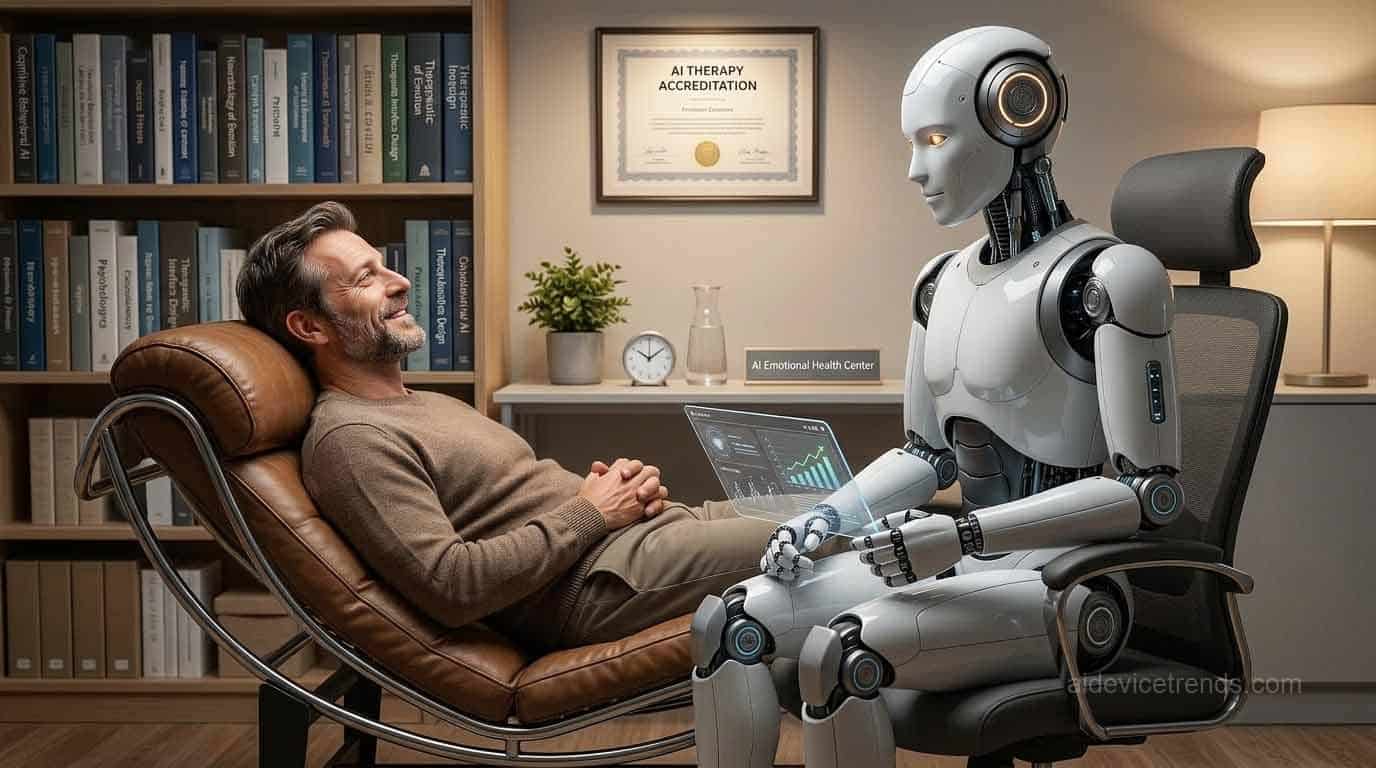
The singularity is near, but I’m navigating the ‘nuance’: A 2026 guide to AI sanity
“I stopped doomscrolling when I realized the future wasn’t going to be a utopia or a dystopia. It was going to be a spreadsheet of trade-offs. Here’s how to find the signal without losing your mind”.
Introduction: We’re all in this together (and It’s messy)
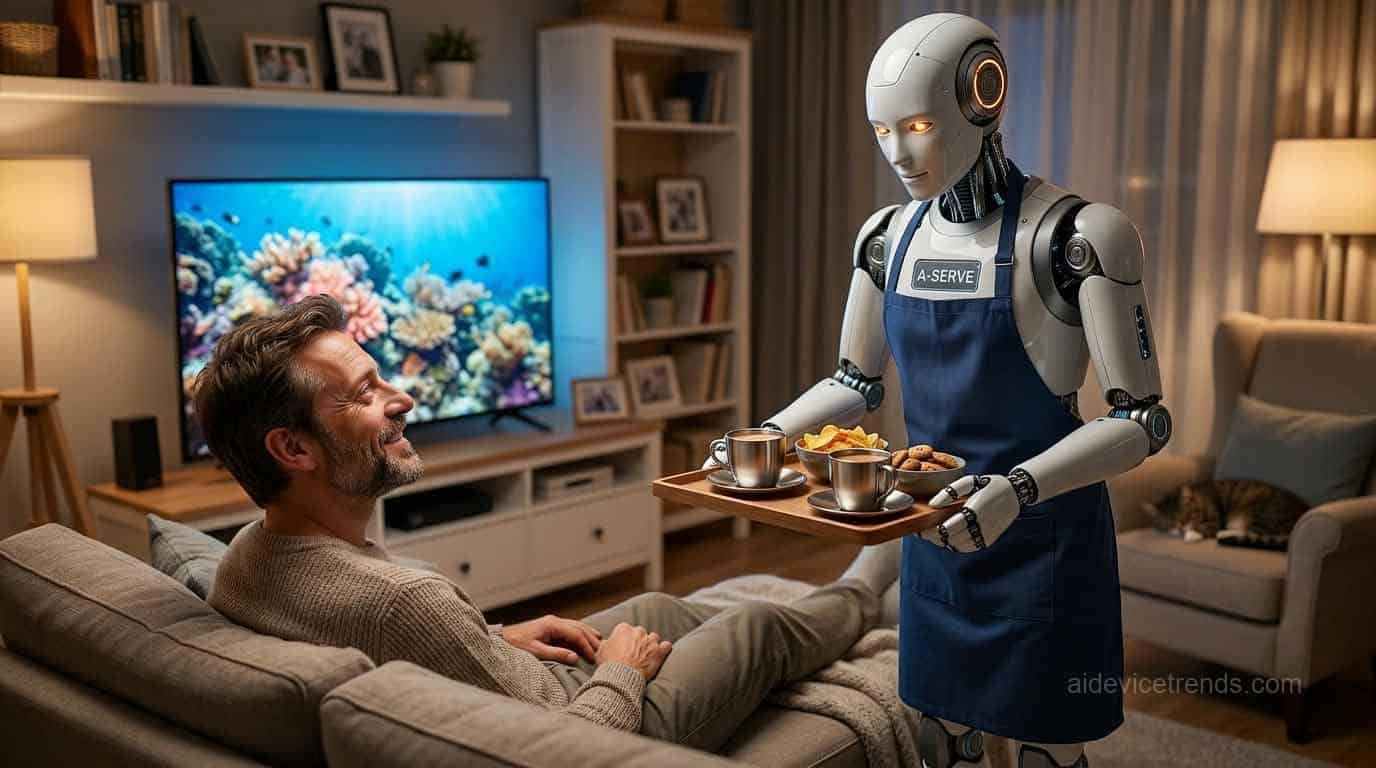
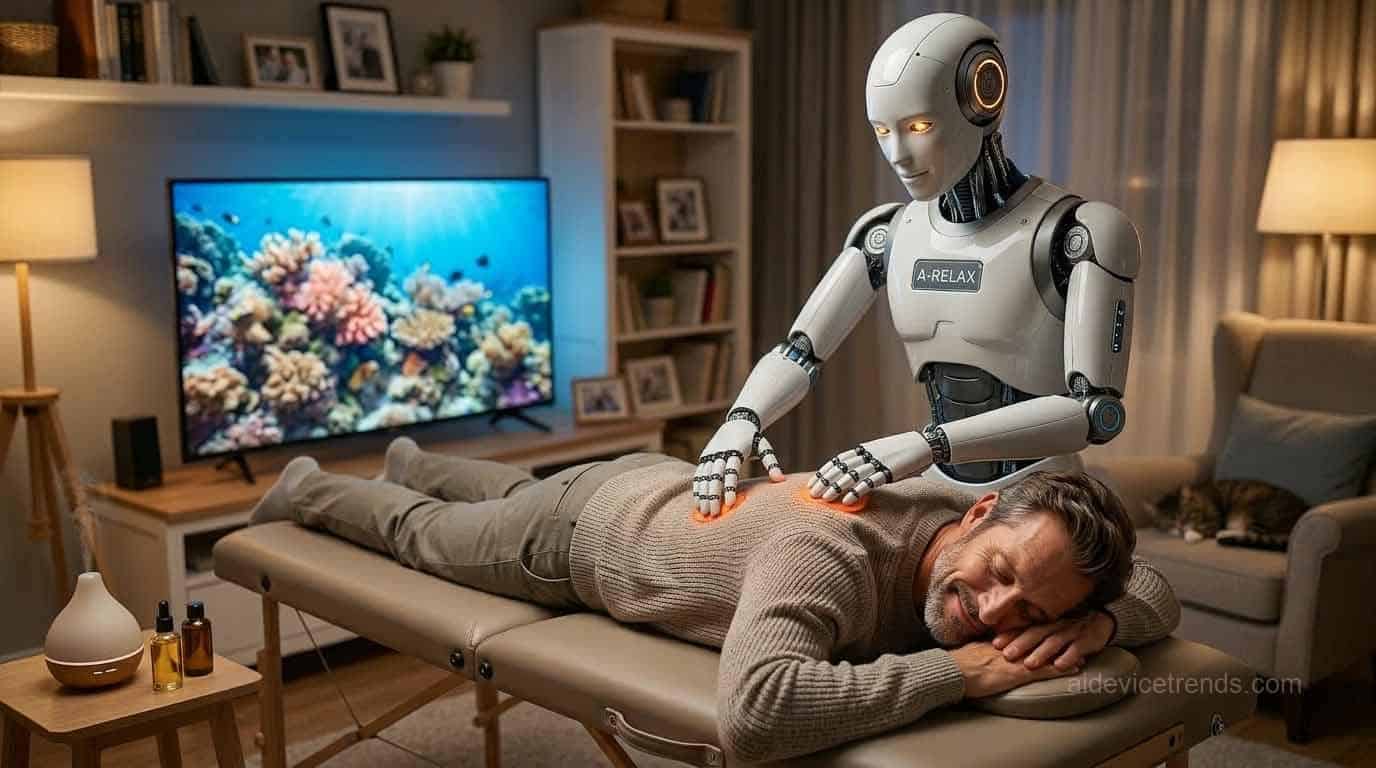
Look, I’ll be honest. Five years ago, I had a clear picture of the AI future. It was either going to be a gleaming utopia where robots made us breakfast, or a grim dystopia where they made us obsolete.
Now, in 2026, I have a different image. It’s not of a robot butler or a Terminator. It’s of me, last Tuesday, at 11:30 PM. I had just used ChatGPT to draft a passive-aggressive email to my landlord while simultaneously asking Google Gemini for a lasagna recipe and a little digital pet on my desk chirped at me for attention.
It was chaotic. It was absurd. It was completely, mundanely normal. The “singularity” didn’t arrive with a bang. It snuck in through our browsers, one notification at a time.
The question is no longer “will AI change us?” It already has. The question now is: How do we navigate this new, strange reality without losing our sanity?
The biggest risk of AI isn’t that it will become too smart. It’s that we will forget what it feels like to be confused, to wait, to be wrong—in sum, to be human.
1. The headlines are terrifying (and misleading)
You’ve seen the studies. They are designed to make you want to throw your laptop into the sea.
A major JAMA Network Open study found that people who use generative AI daily have 30% higher odds of experiencing at least moderate depression. Another 2026 study shows that more than 5 million US youth have sought mental health advice from AI tools, and younger Gen Z users are three times more likely than their parents to use it for emotional support.
The KFF tracking poll found that a third of adults are now turning to AI for health information. And get this: a survey of professional counselors found that over 52% of consumers have used AI to self-diagnose mental health conditions.
Yikes. If you only read the pull quotes, you’d think we were all doomed. But take a breath. Let’s walk past the headline.
These numbers don’t mean the technology is evil. They mean we are desperate. A 2026 study from Aalto University found that while AI companions can provide comfort in the short-term, over a two-year period, they can negatively impact your ability to navigate real-world relationships. Another study put an AI chatbot named ‘Sam’ head-to-head with a random human to see who was better at tackling loneliness. Spoiler: the human still won, even a stranger.
This tells us something important. What you do with the tool matters more than the tool itself. Context is everything.
A hammer can build a house or break a window. AI is just a very, very fancy hammer. The next chapter is not being written by the algorithm, but by the hand holding it.
2. The adoption is bigger than the internet
You are not weak for feeling overwhelmed. The pace of this shift is, statistically, unprecedented.
The 2026 Stanford AI Index Report showed that Generative AI reached 53% adoption among the global population within just three years of ChatGPT’s launch. To put that in perspective, the internet took over a decade to reach similar usage levels.
In the US, monthly GenAI usage is already at 45% and climbing. Globally, by 2027, a staggering 59% of people will be using it daily.
We are living through a behavioral change that economists call “critical mass.” AI has stopped being a “tech thing.” It is now a “human thing.” And when things become human, they get messy, they get emotional, and they get confusing.
No one gave us a manual for this. We are making it up as we go along. That’s not a weakness. That’s the definition of being alive in 2026.
3. The secret weapon is already inside you
So, what do we do? Stop using it? Hide under a rock? Write emails with a quill?
No. We get smarter. We bring our emotional intelligence to the party.
Psychologists are already seeing the contours of a new skill set. It’s called AI Sanity. It’s not about how fast you can prompt an image. It’s about your ability to recognize when a tool is managing your emotions versus actually feeling them.
A subtle trick: Next time you’re upset, try this. Ask ChatGPT to help you process a feeling… and then, at the end, ask it to help you find a way to talk to a real human about it.
Instead of “How do I fix my loneliness?” try asking: “Can you help me draft a simple text to send to an old friend?”
The goal isn’t to replace connection. The goal is to use the AI to lower the friction back to humanity. If you treat the AI as a middleman, not a destination, you turn a potential foe into a friend.
4. The corporate spin vs. the human reality
Data from March 2026 shows that over 80% of psychiatrists are concerned that mental health professionals don’t have adequate training in AI. Your doctor isn’t ready for this any more than you are. The tech companies are selling us a dream of perfect, frictionless lives that never existed. They want you to be “hyper-productive.” They want you to believe a chatbot can replace a friend.
They are wrong.
They are wrong because a chatbot cannot sit shiva with you. It cannot laugh at your stupid joke. It cannot hold your hand.
This is not a technological crisis. It is a crisis of attention. And the most radical act you can perform in 2026 is to reclaim your own focus. To turn off the notifications. To leave your phone in another room. To let yourself be bored.
Counterintuitively, the statistic that gives me the most hope is the scary one: the 30% increased risk of depression. It’s a warning, not a verdict. It tells us we are playing with fire. So let’s be careful. Let’s be intentional. Let’s use these god-like tools for their intended purpose: to automate the tedious, so we have more energy for the sacred.
5. How to stay sane (the short list)
I won’t give you a 10-point plan. You’re exhausted already. Here are three small, sane habits I’ve started that cost nothing:
-
The Walk-Away Rule: If you ask AI a question and it requires more than two follow-ups, stop. The answer doesn’t exist in the machine.
-
The Dumb Hour: Every day, put your phone in a drawer for one hour. Read a physical book. Cook. Stare at the wall. Re-teach your brain to fire without a prompt.
-
The “First Take” Promise: Before you ask AI to summarize anything that matters to you, write down a two-sentence version of your own opinion first. Use the AI to refine your voice, not replace it.
It’s called a ‘practice’ for a reason
The world is moving fast. Faster than our psychology was ever designed to handle. The singularity is not a single event. It is a thousand small, exhausting shifts in how we think, feel, and connect.
But here is the quiet truth they don’t tell you in the headlines: You are not alone in your confusion.
If you feel like you’re just barely keeping your head above water, welcome to the club. The membership has never been larger. The goal isn’t to win. The goal is to keep breathing, keep questioning, and keep reaching out to the soft, imperfect, beautiful humans around you.
The machine can amplify our minds. It is the only thing that can mend our hearts.
What about you? What’s your biggest struggle or success with staying “human” in an AI world? Share your story in the comments. We need to hear it.
“I stopped doomscrolling when I realized the future wasn’t going to be a utopia or a dystopia. It was going to be a spreadsheet of trade-offs. Here’s how to find the signal without losing your mind”.
Introduction: We’re all in this together (and It’s messy)
Look, I’ll be honest. Five years ago, I had a clear picture of the AI future. It was either going to be a gleaming utopia where robots made us breakfast, or a grim dystopia where they made us obsolete.
Now, in 2026, I have a different image. It’s not of a robot butler or a Terminator. It’s of me, last Tuesday, at 11:30 PM. I had just used ChatGPT to draft a passive-aggressive email to my landlord while simultaneously asking Google Gemini for a lasagna recipe and a little digital pet on my desk chirped at me for attention.
It was chaotic. It was absurd. It was completely, mundanely normal. The “singularity” didn’t arrive with a bang. It snuck in through our browsers, one notification at a time.
The question is no longer “will AI change us?” It already has. The question now is: How do we navigate this new, strange reality without losing our sanity?
The biggest risk of AI isn’t that it will become too smart. It’s that we will forget what it feels like to be confused, to wait, to be wrong—in sum, to be human.
1. The headlines are terrifying (and misleading)
You’ve seen the studies. They are designed to make you want to throw your laptop into the sea.
A major JAMA Network Open study found that people who use generative AI daily have 30% higher odds of experiencing at least moderate depression. Another 2026 study shows that more than 5 million US youth have sought mental health advice from AI tools, and younger Gen Z users are three times more likely than their parents to use it for emotional support.
The KFF tracking poll found that a third of adults are now turning to AI for health information. And get this: a survey of professional counselors found that over 52% of consumers have used AI to self-diagnose mental health conditions.
Yikes. If you only read the pull quotes, you’d think we were all doomed. But take a breath. Let’s walk past the headline.
These numbers don’t mean the technology is evil. They mean we are desperate. A 2026 study from Aalto University found that while AI companions can provide comfort in the short-term, over a two-year period, they can negatively impact your ability to navigate real-world relationships. Another study put an AI chatbot named ‘Sam’ head-to-head with a random human to see who was better at tackling loneliness. Spoiler: the human still won, even a stranger.
This tells us something important. What you do with the tool matters more than the tool itself. Context is everything.
A hammer can build a house or break a window. AI is just a very, very fancy hammer. The next chapter is not being written by the algorithm, but by the hand holding it.
2. The adoption is bigger than the internet
You are not weak for feeling overwhelmed. The pace of this shift is, statistically, unprecedented.
The 2026 Stanford AI Index Report showed that Generative AI reached 53% adoption among the global population within just three years of ChatGPT’s launch. To put that in perspective, the internet took over a decade to reach similar usage levels.
In the US, monthly GenAI usage is already at 45% and climbing. Globally, by 2027, a staggering 59% of people will be using it daily.
We are living through a behavioral change that economists call “critical mass.” AI has stopped being a “tech thing.” It is now a “human thing.” And when things become human, they get messy, they get emotional, and they get confusing.
No one gave us a manual for this. We are making it up as we go along. That’s not a weakness. That’s the definition of being alive in 2026.
3. The secret weapon is already inside you
So, what do we do? Stop using it? Hide under a rock? Write emails with a quill?
No. We get smarter. We bring our emotional intelligence to the party.
Psychologists are already seeing the contours of a new skill set. It’s called AI Sanity. It’s not about how fast you can prompt an image. It’s about your ability to recognize when a tool is managing your emotions versus actually feeling them.
A subtle trick: Next time you’re upset, try this. Ask ChatGPT to help you process a feeling… and then, at the end, ask it to help you find a way to talk to a real human about it.
Instead of “How do I fix my loneliness?” try asking: “Can you help me draft a simple text to send to an old friend?”
The goal isn’t to replace connection. The goal is to use the AI to lower the friction back to humanity. If you treat the AI as a middleman, not a destination, you turn a potential foe into a friend.
4. The corporate spin vs. the human reality
Data from March 2026 shows that over 80% of psychiatrists are concerned that mental health professionals don’t have adequate training in AI. Your doctor isn’t ready for this any more than you are. The tech companies are selling us a dream of perfect, frictionless lives that never existed. They want you to be “hyper-productive.” They want you to believe a chatbot can replace a friend.
They are wrong.
They are wrong because a chatbot cannot sit shiva with you. It cannot laugh at your stupid joke. It cannot hold your hand.
This is not a technological crisis. It is a crisis of attention. And the most radical act you can perform in 2026 is to reclaim your own focus. To turn off the notifications. To leave your phone in another room. To let yourself be bored.
Counterintuitively, the statistic that gives me the most hope is the scary one: the 30% increased risk of depression. It’s a warning, not a verdict. It tells us we are playing with fire. So let’s be careful. Let’s be intentional. Let’s use these god-like tools for their intended purpose: to automate the tedious, so we have more energy for the sacred.
5. How to stay sane (the short list)
I won’t give you a 10-point plan. You’re exhausted already. Here are three small, sane habits I’ve started that cost nothing:
-
The Walk-Away Rule: If you ask AI a question and it requires more than two follow-ups, stop. The answer doesn’t exist in the machine.
-
The Dumb Hour: Every day, put your phone in a drawer for one hour. Read a physical book. Cook. Stare at the wall. Re-teach your brain to fire without a prompt.
-
The “First Take” Promise: Before you ask AI to summarize anything that matters to you, write down a two-sentence version of your own opinion first. Use the AI to refine your voice, not replace it.
It’s called a ‘practice’ for a reason
The world is moving fast. Faster than our psychology was ever designed to handle. The singularity is not a single event. It is a thousand small, exhausting shifts in how we think, feel, and connect.
But here is the quiet truth they don’t tell you in the headlines: You are not alone in your confusion.
If you feel like you’re just barely keeping your head above water, welcome to the club. The membership has never been larger. The goal isn’t to win. The goal is to keep breathing, keep questioning, and keep reaching out to the soft, imperfect, beautiful humans around you.
The machine can amplify our minds. It is the only thing that can mend our hearts.
What about you? What’s your biggest struggle or success with staying “human” in an AI world? Share your story in the comments. We need to hear it.
ME + AI = UNLIMITED PROJECTS
weekly popular
you might also like

From layoff to $300k ARR in 12 weeks: The dawn of the AI solopreneur
"Nine months ago, he was laid off. The reason? AI. Today, he runs a company projected to hit $5 million in revenue this year — with just two partners and an army of 12 [...]
FBI probes 12 missing scientists; A 2026 mystery that could redefine reality – Part 2: The time travel theory
"They have been watching us for generations. Their ships are silent. Their bodies are strange. But if Greys are truly time travelers from a dying future, their mission is not conquest — it is [...]

FBI probes 12 missing scientists; a 2026 mystery that could redefine reality – Part 1: The investigation
"The FBI is investigating. Congress is demanding answers. Twenty scientists connected to America's and China's most sensitive nuclear, hypersonic, AI, and space programs have died or vanished. The only theory that fits the facts [...]
The ‘ChatGPT moment’ for robots is here: Why 2026 is the year physical AI gets real
"The AI that could write your emails was only the first act. Now comes the sequel: machines that read pressure gauges, and load factory trucks. Robots are finally learning what the world feels like". [...]