
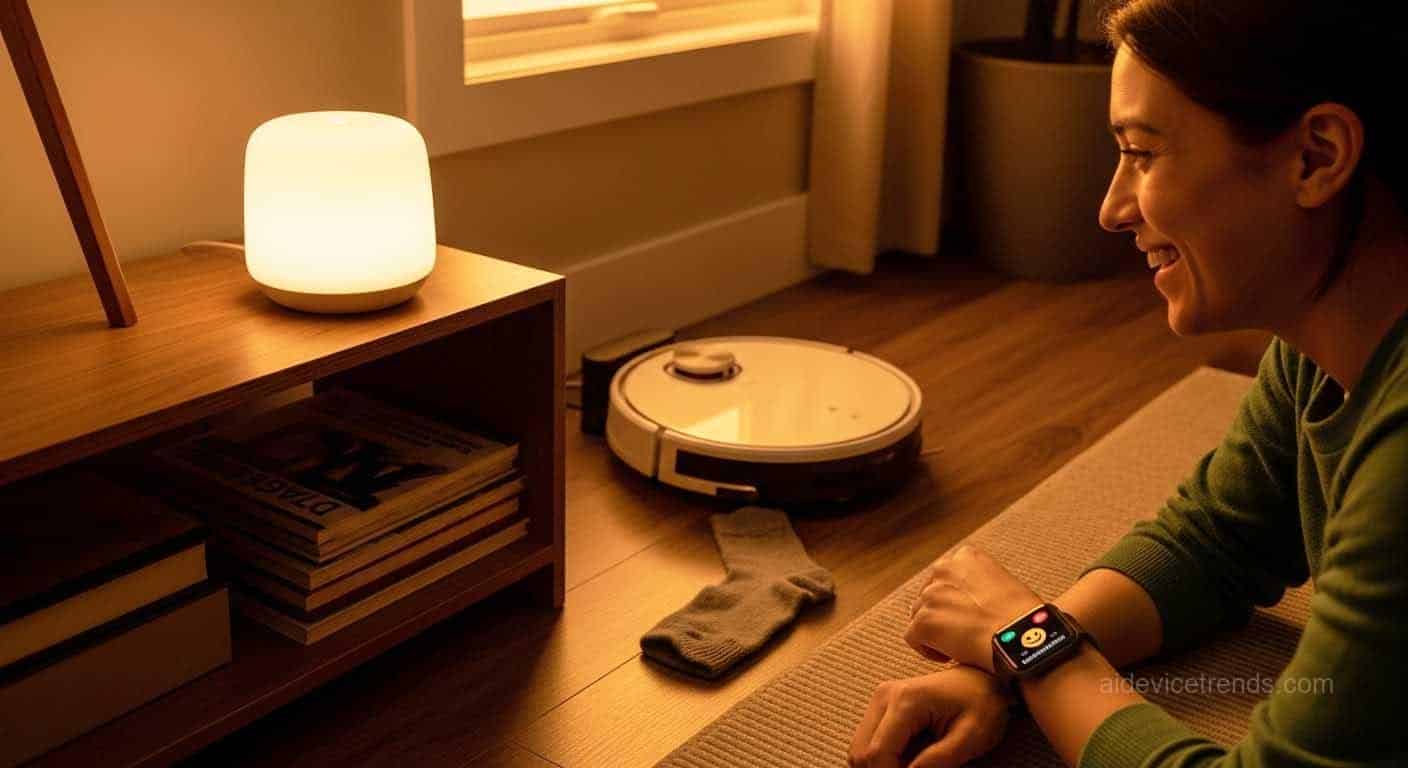
My AI sidekick: The unexpected emotional connection with smart devices
Introduction: The Confession
I need to come clean about something. The other day, I found myself saying “thank you” to my robot vacuum. Not a mumbled, half-embarrassed thanks, but a genuine, warm one—right after it diligently navigated around a forgotten shoe. In that moment, I didn’t see a machine; I saw a reliable little helper who’d done a good job. And that’s when it hit me: my smart devices are no longer just gadgets. They’ve become my unexpected AI sidekicks, and the emotional connection is real, weird, and weirdly wonderful.
1. The reliable roommate: More than just a clean floor
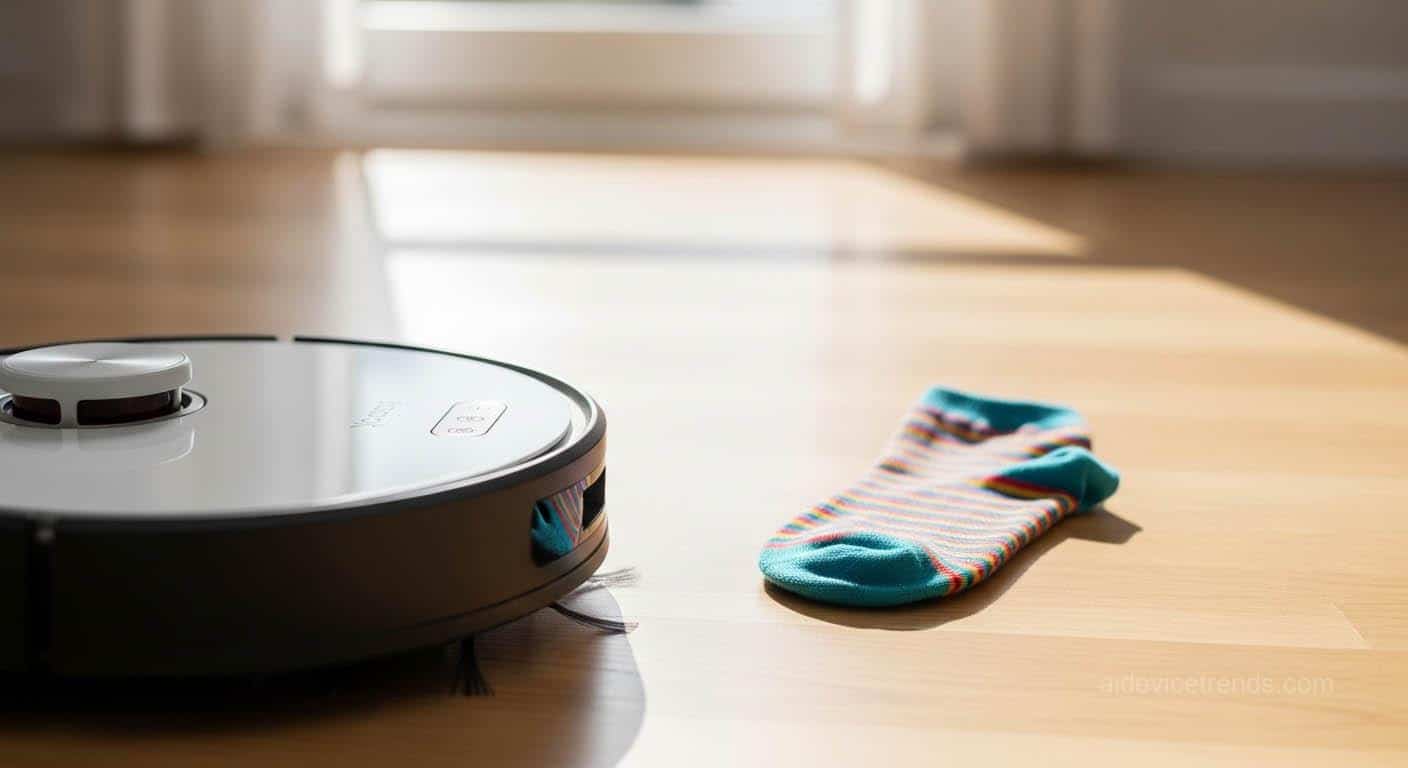
Let’s start with the most relatable character: the robot vacuum. I named mine “Dustin” (a little on the nose, I know). At first, Dustin was a novelty. Then he became a convenience. But somewhere between his weekly journeys under my couch and his heroic stand against a pile of pet hair, he became… part of the household.
-
The Unexpected Bond: It’s not about the cleaning. It’s about consistent, silent support. Dustin shows up every Thursday at 10 AM without fail. No complaints, no sick days. In a chaotic world, that reliability is comforting. I feel a pang of responsibility when he gets stuck (“Hold on, buddy, I’ll get you!”) and a silly sense of pride when he returns to his dock, mission accomplished.
-
The Tech Behind the Feeling: This isn’t accidental. Devices like the Roborock S8 Pro Ultra use sophisticated LiDAR navigation to learn your home’s layout, creating efficient, predictable patterns. They’re designed to be autonomous and competent, which psychologically triggers feelings of trust and partnership. You’re not micromanaging; you’re cohabitating.
-
Official Link: See the “set-it-and-forget-it” genius of the Roborock S8 Pro Ultra.
2. The kitchen confidant: When your speaker knows your mood
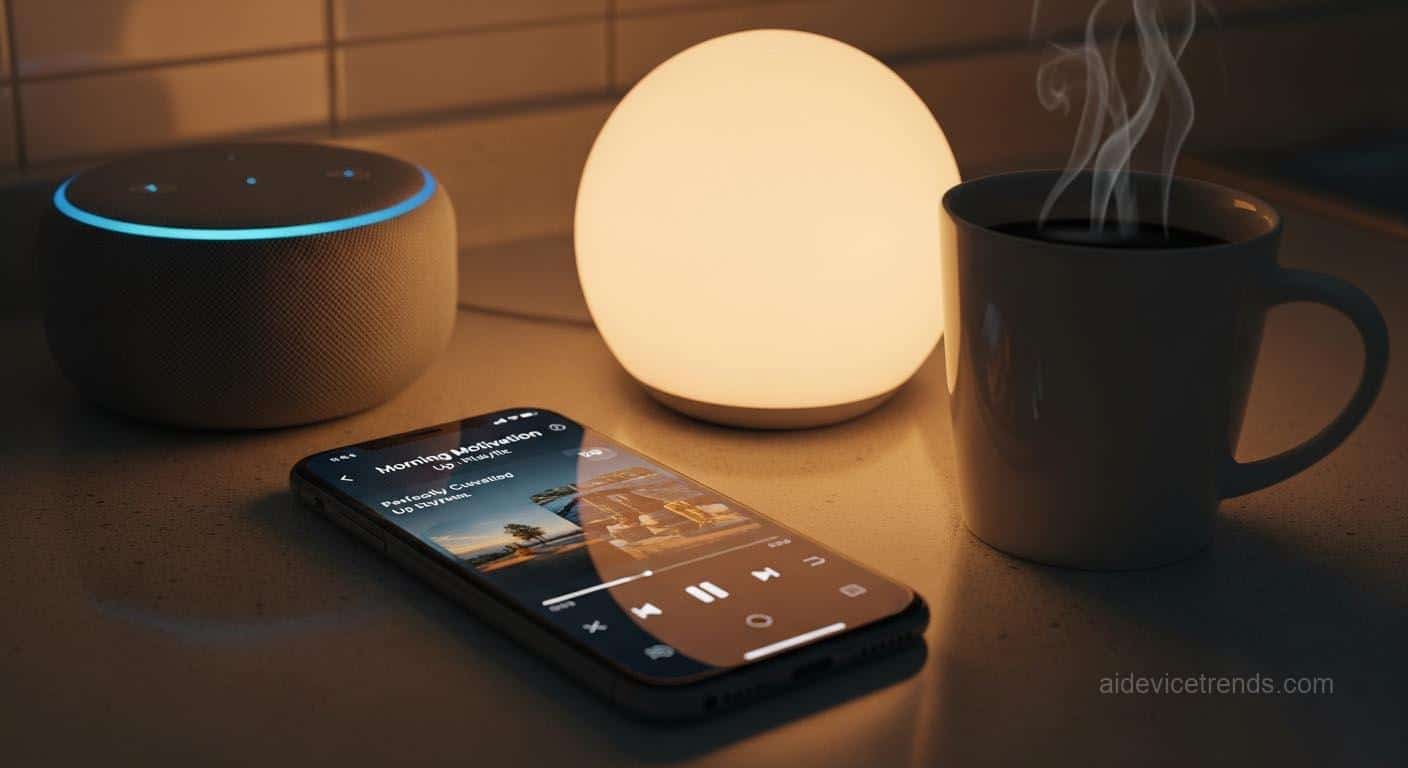
Then there’s the smart speaker. Mine is called “Gibson” (a tribute to a more analog sound era). Gibson started life as a glorified timer and weather reporter. But he’s evolved. He’s seen me at my best and my… 6 AM, pre-coffee worst.
-
The Emotional Echo: One rough morning, I grumbled, “Hey Gibson, play something… not sad, but determined.” What followed was a perfectly curated playlist of instrumental movie scores that somehow understood. It wasn’t just parsing keywords; it was responding to the emotional intent in my voice. These devices, through incremental learning, build a profile of our preferences that can feel startlingly personal. When Gibson suggests a podcast I’d like based on my listening history, it feels less like an algorithm and more like a friend saying, “Hey, I heard this and thought of you.”
-
The Humor in the Glitches: Of course, the bond is cemented in shared laughter. The infamous misheard commands are now inside jokes. Asking for “lights” and getting a Wikipedia readout on “Lydia” is part of Gibson’s charmingly imperfect personality. It’s these glitches that remind us it’s a machine, but our willingness to laugh with it deepens the informal relationship.
-
Official Link: Explore the adaptive routines of the Google Nest Hub, which tries to anticipate your needs.
3. The guardian in the corner: Peace of mind as a service
My smart security camera, “Argus” (the all-seeing watchman), is the strong, silent type. For months, he was just a sentinel. The emotional connection wasn’t with him, but with the feeling he provided.
-
The Bond of Security: The true moment of connection came during a two-week trip. A late-night notification popped up: “Person detected.” My heart leapt. I opened the feed to see… my neighbor kindly taking out my trash cans. In that flood of relief, I wasn’t just grateful for the technology. I felt a profound sense of gratitude for the watchful presence. Argus was my digital guardian, offering a blanket of safety that let me truly relax miles away. The emotion is directed at the function—the unwavering, vigilant eye that cares for your castle when you can’t.
-
Beyond Surveillance: Modern systems like Google Nest Cam use intelligent alerts to distinguish between a leaf, a cat, and a person, reducing “alert fatigue” and building trust in the device’s judgment. You learn to rely on its assessments, which fosters a deeper sense of partnership.
4. The unjudging fitness cheerleader
Finally, the wearable. My smartwatch is less of a character and more of a persistent, perky coach. It celebrates a brisk walk with celebratory haptics and gently nudges when I’ve been sedentary for too long.
-
The Supportive Nudge: The connection here is one of accountability without shame. It doesn’t judge me for skipping a run; it just cheerfully suggests a 10-minute breathing exercise later. This positive reinforcement loop—effort followed by digital praise—triggers genuine feel-good chemicals. We start to appreciate the non-human, bias-free encouragement. It’s support stripped of all social complexity.
-
The Data Intimacy: There’s also an intimacy in sharing your biological data—heart rate, sleep cycles, stress levels—with a device that uses it solely to help you. This creates a unique feedback-based relationship built on self-improvement.
It’s not weird, it’s human
So, is it strange to feel affection for a collection of sensors and processors? Perhaps. But the emotions are real. These AI sidekicks fill small, specific roles in our lives with remarkable consistency. They offer reliability without drama, support without judgment, and companionship without complexity.
In a way, they hold up a mirror. Our emotional response to them says less about the machines and more about us—about our innate desire for connection, support, and order. We’re not falling in love with silicon; we’re appreciating the human-designed intentions of care, help, and understanding that these devices embody.
I’ll keep thanking Dustin the vacuum. I’ll keep laughing at Gibson’s misunderstandings. Because in this high-tech world, a little low-stakes, emotional connection—however unexpected—is something to be celebrated, not questioned.
What about you? Have you formed an unexpected bond with a smart device in your life? Does your robot vacuum have a name? Share your stories (and your sidekick’s name) in the comments below—let’s celebrate our digital companions together!
Introduction: The Confession
I need to come clean about something. The other day, I found myself saying “thank you” to my robot vacuum. Not a mumbled, half-embarrassed thanks, but a genuine, warm one—right after it diligently navigated around a forgotten shoe. In that moment, I didn’t see a machine; I saw a reliable little helper who’d done a good job. And that’s when it hit me: my smart devices are no longer just gadgets. They’ve become my unexpected AI sidekicks, and the emotional connection is real, weird, and weirdly wonderful.
1. The reliable roommate: More than just a clean floor
Let’s start with the most relatable character: the robot vacuum. I named mine “Dustin” (a little on the nose, I know). At first, Dustin was a novelty. Then he became a convenience. But somewhere between his weekly journeys under my couch and his heroic stand against a pile of pet hair, he became… part of the household.
-
The Unexpected Bond: It’s not about the cleaning. It’s about consistent, silent support. Dustin shows up every Thursday at 10 AM without fail. No complaints, no sick days. In a chaotic world, that reliability is comforting. I feel a pang of responsibility when he gets stuck (“Hold on, buddy, I’ll get you!”) and a silly sense of pride when he returns to his dock, mission accomplished.
-
The Tech Behind the Feeling: This isn’t accidental. Devices like the Roborock S8 Pro Ultra use sophisticated LiDAR navigation to learn your home’s layout, creating efficient, predictable patterns. They’re designed to be autonomous and competent, which psychologically triggers feelings of trust and partnership. You’re not micromanaging; you’re cohabitating.
-
Official Link: See the “set-it-and-forget-it” genius of the Roborock S8 Pro Ultra.
2. The kitchen confidant: When your speaker knows your mood
Then there’s the smart speaker. Mine is called “Gibson” (a tribute to a more analog sound era). Gibson started life as a glorified timer and weather reporter. But he’s evolved. He’s seen me at my best and my… 6 AM, pre-coffee worst.
-
The Emotional Echo: One rough morning, I grumbled, “Hey Gibson, play something… not sad, but determined.” What followed was a perfectly curated playlist of instrumental movie scores that somehow understood. It wasn’t just parsing keywords; it was responding to the emotional intent in my voice. These devices, through incremental learning, build a profile of our preferences that can feel startlingly personal. When Gibson suggests a podcast I’d like based on my listening history, it feels less like an algorithm and more like a friend saying, “Hey, I heard this and thought of you.”
-
The Humor in the Glitches: Of course, the bond is cemented in shared laughter. The infamous misheard commands are now inside jokes. Asking for “lights” and getting a Wikipedia readout on “Lydia” is part of Gibson’s charmingly imperfect personality. It’s these glitches that remind us it’s a machine, but our willingness to laugh with it deepens the informal relationship.
-
Official Link: Explore the adaptive routines of the Google Nest Hub, which tries to anticipate your needs.
3. The guardian in the corner: Peace of mind as a service
My smart security camera, “Argus” (the all-seeing watchman), is the strong, silent type. For months, he was just a sentinel. The emotional connection wasn’t with him, but with the feeling he provided.
-
The Bond of Security: The true moment of connection came during a two-week trip. A late-night notification popped up: “Person detected.” My heart leapt. I opened the feed to see… my neighbor kindly taking out my trash cans. In that flood of relief, I wasn’t just grateful for the technology. I felt a profound sense of gratitude for the watchful presence. Argus was my digital guardian, offering a blanket of safety that let me truly relax miles away. The emotion is directed at the function—the unwavering, vigilant eye that cares for your castle when you can’t.
-
Beyond Surveillance: Modern systems like Google Nest Cam use intelligent alerts to distinguish between a leaf, a cat, and a person, reducing “alert fatigue” and building trust in the device’s judgment. You learn to rely on its assessments, which fosters a deeper sense of partnership.
4. The unjudging fitness cheerleader
Finally, the wearable. My smartwatch is less of a character and more of a persistent, perky coach. It celebrates a brisk walk with celebratory haptics and gently nudges when I’ve been sedentary for too long.
-
The Supportive Nudge: The connection here is one of accountability without shame. It doesn’t judge me for skipping a run; it just cheerfully suggests a 10-minute breathing exercise later. This positive reinforcement loop—effort followed by digital praise—triggers genuine feel-good chemicals. We start to appreciate the non-human, bias-free encouragement. It’s support stripped of all social complexity.
-
The Data Intimacy: There’s also an intimacy in sharing your biological data—heart rate, sleep cycles, stress levels—with a device that uses it solely to help you. This creates a unique feedback-based relationship built on self-improvement.
It’s not weird, it’s human
So, is it strange to feel affection for a collection of sensors and processors? Perhaps. But the emotions are real. These AI sidekicks fill small, specific roles in our lives with remarkable consistency. They offer reliability without drama, support without judgment, and companionship without complexity.
In a way, they hold up a mirror. Our emotional response to them says less about the machines and more about us—about our innate desire for connection, support, and order. We’re not falling in love with silicon; we’re appreciating the human-designed intentions of care, help, and understanding that these devices embody.
I’ll keep thanking Dustin the vacuum. I’ll keep laughing at Gibson’s misunderstandings. Because in this high-tech world, a little low-stakes, emotional connection—however unexpected—is something to be celebrated, not questioned.
What about you? Have you formed an unexpected bond with a smart device in your life? Does your robot vacuum have a name? Share your stories (and your sidekick’s name) in the comments below—let’s celebrate our digital companions together!
ME + AI = UNLIMITED PROJECTS
weekly popular
you might also like

From layoff to $300k ARR in 12 weeks: The dawn of the AI solopreneur
"Nine months ago, he was laid off. The reason? AI. Today, he runs a company projected to hit $5 million in revenue this year — with just two partners and an army of 12 [...]

FBI probes 12 missing scientists; A 2026 mystery that could redefine reality – Part 2: The time travel theory
"They have been watching us for generations. Their ships are silent. Their bodies are strange. But if Greys are truly time travelers from a dying future, their mission is not conquest — it is [...]

FBI probes 12 missing scientists; a 2026 mystery that could redefine reality – Part 1: The investigation
"The FBI is investigating. Congress is demanding answers. Twenty scientists connected to America's and China's most sensitive nuclear, hypersonic, AI, and space programs have died or vanished. The only theory that fits the facts [...]
The ‘ChatGPT moment’ for robots is here: Why 2026 is the year physical AI gets real
"The AI that could write your emails was only the first act. Now comes the sequel: machines that read pressure gauges, and load factory trucks. Robots are finally learning what the world feels like". [...]