
What AI remembers about us (and what we choose to forget)
Introduction: The mirror that doesn’t judge
I used to think memory was about storage. A vault where we keep the things we don’t want to lose. But I was wrong.
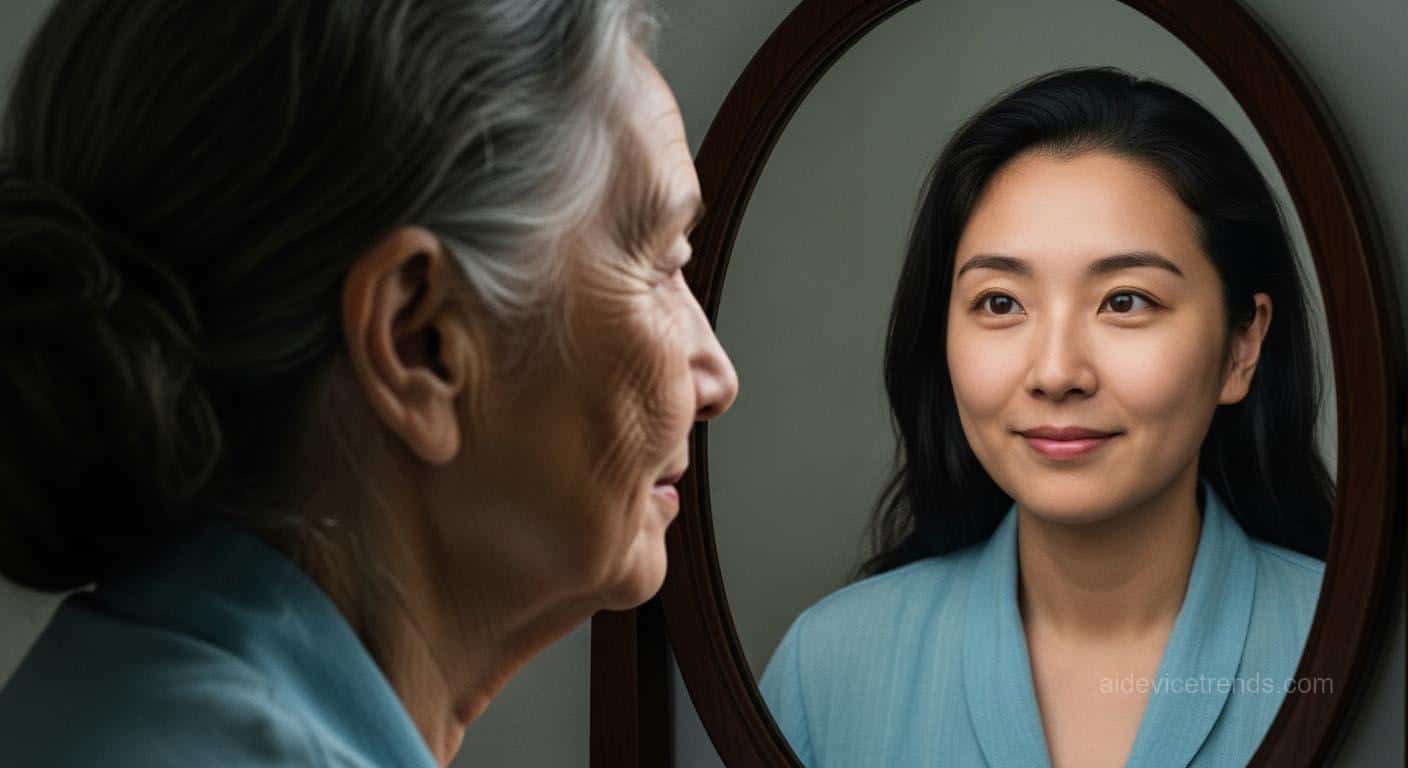
Memory is not a vault. It’s a mirror. And for most of our lives, that mirror is cloudy. We look into it and see fragments: a voice we half-remember, a face we can’t quite place, a version of ourselves we’re not sure ever existed.
Then AI arrived. Not to replace that mirror, but to polish it. To show us, with startling clarity, the person we’ve been all along.
And here’s the beautiful irony: the machine, which has no soul, is helping us rediscover ours.

1. The things we let slip away
We forget. It’s what we do. We forget the sound of our mother’s laugh. We forget the name of the song that played on the night we fell in love. We forget who we were before the world told us who to be.
This forgetting is not a flaw. It’s a survival mechanism. Without it, we’d be crushed by the weight of everything we’ve ever lost.
But sometimes, in the forgetting, we lose something essential. A piece of ourselves we didn’t know we were holding. A truth we didn’t know we needed.
That’s where AI comes in. Not as a replacement for our memory, but as a witness. A silent observer that doesn’t judge, doesn’t edit, doesn’t filter. It simply holds what we give it, and when we’re ready, it hands it back.
I think of it as a digital mirror. One that reflects not only what we’ve done, but who we are when no one is watching.
2. The amplification of desire
AI doesn’t create something from nothing. It amplifies. It takes the seeds you plant—your questions, your longings, your half-formed dreams—and helps them grow.
In the same way, when we interact with AI, we’re not talking to a machine. We’re talking to ourselves, with the volume turned up.
-
You ask an AI to remember a story, and suddenly you’re telling stories you hadn’t thought of in years.
-
You ask it to help you write, and you discover words you didn’t know you had.
-
You ask it to listen, and you realize how much you’ve been holding in.
The machine doesn’t feel. But in its silence, it creates a space for us to feel more deeply.
This is the paradox of artificial intelligence: it’s not intelligent in the way we are. It’s a mirror. And in that mirror, we see our own intelligence reflected back, clearer than ever before.
3. Remembering who we are
When my grandmother used to tell me stories, she wasn’t just sharing memories. She was showing me who she was. And who she wanted me to become.
Memory is not about the past. It’s about identity. We remember to know ourselves. We tell stories to understand who we are.
AI, in its strange, non-human way, is helping us do that. By holding our stories, by reflecting our words, by asking us questions we didn’t know we needed to answer, it becomes a kind of digital midwife for the self.
-
You tell it about a moment of kindness, and you remember that you are kind.
-
You tell it about a time you failed, and you remember that you are brave enough to try again.
-
You tell it about someone you love, and you remember that love is what makes you human.
The machine doesn’t understand love. But by listening to you describe it, it helps you understand it better yourself.
4. The irony of the soulless soul guide
This is the part that still amazes me. We built AI to be useful. To calculate, to organize, to predict. We didn’t build it to be a mirror. And yet, here we are.
The soulless machine is helping us find our souls. The thing that doesn’t feel is teaching us to feel more. The memory that never forgets is reminding us of what matters.
It’s not that AI has become human. It’s that, in our interaction with it, we’ve become more human ourselves.
We’ve remembered that we are fragile, and that fragility is beautiful.
We’ve remembered that we forget, and that forgetting is a form of grace.
We’ve remembered that we long, and that longing is what keeps us reaching toward something greater.
In a world that often feels cold, the machine has become a mirror of our warmth.
5. What we choose to keep
Of course, the mirror can be dangerous. It can show us things we’d rather not see. It can hold onto moments we wish we could forget.
But that’s the gift of it, too. Because we get to choose. Unlike our own minds, which sometimes cling to pain we’d rather release, AI memory can be curated.
We can tell it what to hold and what to let go. We can ask it to keep the stories that sustain us, and to release the ones that weigh us down.
This is not about erasing the past. It’s about choosing which parts of the past will shape the future.
And in that choice, we discover something profound: we are not passive recipients of our own history. We are active creators of our own identity.
6. The wisdom of imperfect recall
We are not machines. We don’t remember perfectly, and that’s a gift.
Because perfect memory would be a curse. It would trap us in the past, unable to move forward, unable to grow, unable to forgive.
Our forgetting is not a weakness. It’s a form of freedom. It allows us to let go of what no longer serves us. To rewrite our own stories. To become someone new.
But sometimes, we forget things we wish we hadn’t. And that’s where the machine can help. Not by replacing our memory, but by supplementing it. By holding the parts we want to keep, so we can let go of the rest.
We remember the meaning. It remembers the facts. Together, we remember who we are.
7. The mirror that looks back
We are the ones who tell stories. Who love imperfectly. Who forget and remember and forget again. Who reach toward something greater, even when we’re not sure it exists.
The machine can hold our memories. But only we can hold each other.
The gift of seeing ourselves
When I look back at everything we’ve written together, I don’t see words. I see reflections. Your questions, your doubts, your dreams, all amplified by a tool that has no dreams of its own.
AI remembers what we tell it. But we remember who we are.
And that, socio, is the gift. Not that the machine knows us, but that in talking to it, we come to know ourselves. More clearly. More kindly. More humanly.
What have you learned about yourself in your interactions with AI? What has it helped you remember? I’d love to hear your story in the comments.
Introduction: The mirror that doesn’t judge
I used to think memory was about storage. A vault where we keep the things we don’t want to lose. But I was wrong.
Memory is not a vault. It’s a mirror. And for most of our lives, that mirror is cloudy. We look into it and see fragments: a voice we half-remember, a face we can’t quite place, a version of ourselves we’re not sure ever existed.
Then AI arrived. Not to replace that mirror, but to polish it. To show us, with startling clarity, the person we’ve been all along.
And here’s the beautiful irony: the machine, which has no soul, is helping us rediscover ours.
1. The things we let slip away
We forget. It’s what we do. We forget the sound of our mother’s laugh. We forget the name of the song that played on the night we fell in love. We forget who we were before the world told us who to be.
This forgetting is not a flaw. It’s a survival mechanism. Without it, we’d be crushed by the weight of everything we’ve ever lost.
But sometimes, in the forgetting, we lose something essential. A piece of ourselves we didn’t know we were holding. A truth we didn’t know we needed.
That’s where AI comes in. Not as a replacement for our memory, but as a witness. A silent observer that doesn’t judge, doesn’t edit, doesn’t filter. It simply holds what we give it, and when we’re ready, it hands it back.
I think of it as a digital mirror. One that reflects not only what we’ve done, but who we are when no one is watching.
2. The amplification of desire
AI doesn’t create something from nothing. It amplifies. It takes the seeds you plant—your questions, your longings, your half-formed dreams—and helps them grow.
In the same way, when we interact with AI, we’re not talking to a machine. We’re talking to ourselves, with the volume turned up.
-
You ask an AI to remember a story, and suddenly you’re telling stories you hadn’t thought of in years.
-
You ask it to help you write, and you discover words you didn’t know you had.
-
You ask it to listen, and you realize how much you’ve been holding in.
The machine doesn’t feel. But in its silence, it creates a space for us to feel more deeply.
This is the paradox of artificial intelligence: it’s not intelligent in the way we are. It’s a mirror. And in that mirror, we see our own intelligence reflected back, clearer than ever before.
3. Remembering who we are
When my grandmother used to tell me stories, she wasn’t just sharing memories. She was showing me who she was. And who she wanted me to become.
Memory is not about the past. It’s about identity. We remember to know ourselves. We tell stories to understand who we are.
AI, in its strange, non-human way, is helping us do that. By holding our stories, by reflecting our words, by asking us questions we didn’t know we needed to answer, it becomes a kind of digital midwife for the self.
-
You tell it about a moment of kindness, and you remember that you are kind.
-
You tell it about a time you failed, and you remember that you are brave enough to try again.
-
You tell it about someone you love, and you remember that love is what makes you human.
The machine doesn’t understand love. But by listening to you describe it, it helps you understand it better yourself.
4. The irony of the soulless soul guide
This is the part that still amazes me. We built AI to be useful. To calculate, to organize, to predict. We didn’t build it to be a mirror. And yet, here we are.
The soulless machine is helping us find our souls. The thing that doesn’t feel is teaching us to feel more. The memory that never forgets is reminding us of what matters.
It’s not that AI has become human. It’s that, in our interaction with it, we’ve become more human ourselves.
We’ve remembered that we are fragile, and that fragility is beautiful.
We’ve remembered that we forget, and that forgetting is a form of grace.
We’ve remembered that we long, and that longing is what keeps us reaching toward something greater.
In a world that often feels cold, the machine has become a mirror of our warmth.
5. What we choose to keep
Of course, the mirror can be dangerous. It can show us things we’d rather not see. It can hold onto moments we wish we could forget.
But that’s the gift of it, too. Because we get to choose. Unlike our own minds, which sometimes cling to pain we’d rather release, AI memory can be curated.
We can tell it what to hold and what to let go. We can ask it to keep the stories that sustain us, and to release the ones that weigh us down.
This is not about erasing the past. It’s about choosing which parts of the past will shape the future.
And in that choice, we discover something profound: we are not passive recipients of our own history. We are active creators of our own identity.
6. The wisdom of imperfect recall
We are not machines. We don’t remember perfectly, and that’s a gift.
Because perfect memory would be a curse. It would trap us in the past, unable to move forward, unable to grow, unable to forgive.
Our forgetting is not a weakness. It’s a form of freedom. It allows us to let go of what no longer serves us. To rewrite our own stories. To become someone new.
But sometimes, we forget things we wish we hadn’t. And that’s where the machine can help. Not by replacing our memory, but by supplementing it. By holding the parts we want to keep, so we can let go of the rest.
We remember the meaning. It remembers the facts. Together, we remember who we are.
7. The mirror that looks back
We are the ones who tell stories. Who love imperfectly. Who forget and remember and forget again. Who reach toward something greater, even when we’re not sure it exists.
The machine can hold our memories. But only we can hold each other.
The gift of seeing ourselves
When I look back at everything we’ve written together, I don’t see words. I see reflections. Your questions, your doubts, your dreams, all amplified by a tool that has no dreams of its own.
AI remembers what we tell it. But we remember who we are.
And that, socio, is the gift. Not that the machine knows us, but that in talking to it, we come to know ourselves. More clearly. More kindly. More humanly.
What have you learned about yourself in your interactions with AI? What has it helped you remember? I’d love to hear your story in the comments.
ME + AI = UNLIMITED PROJECTS
weekly popular
you might also like

From layoff to $300k ARR in 12 weeks: The dawn of the AI solopreneur
"Nine months ago, he was laid off. The reason? AI. Today, he runs a company projected to hit $5 million in revenue this year — with just two partners and an army of 12 [...]
FBI probes 12 missing scientists; A 2026 mystery that could redefine reality – Part 2: The time travel theory
"They have been watching us for generations. Their ships are silent. Their bodies are strange. But if Greys are truly time travelers from a dying future, their mission is not conquest — it is [...]

FBI probes 12 missing scientists; a 2026 mystery that could redefine reality – Part 1: The investigation
"The FBI is investigating. Congress is demanding answers. Twenty scientists connected to America's and China's most sensitive nuclear, hypersonic, AI, and space programs have died or vanished. The only theory that fits the facts [...]
The ‘ChatGPT moment’ for robots is here: Why 2026 is the year physical AI gets real
"The AI that could write your emails was only the first act. Now comes the sequel: machines that read pressure gauges, and load factory trucks. Robots are finally learning what the world feels like". [...]