The AI that replaces your organs: where does ‘you’ end?
Introduction: The ship of theseus, anchored in an ICU
I remember the first time I held a real human heart. It was in a biology lab, years ago. The organ was surprisingly heavy, dense, and quiet. It looked nothing like the valentine-shaped symbol we draw on cards. It looked like a powerful, silent engine.
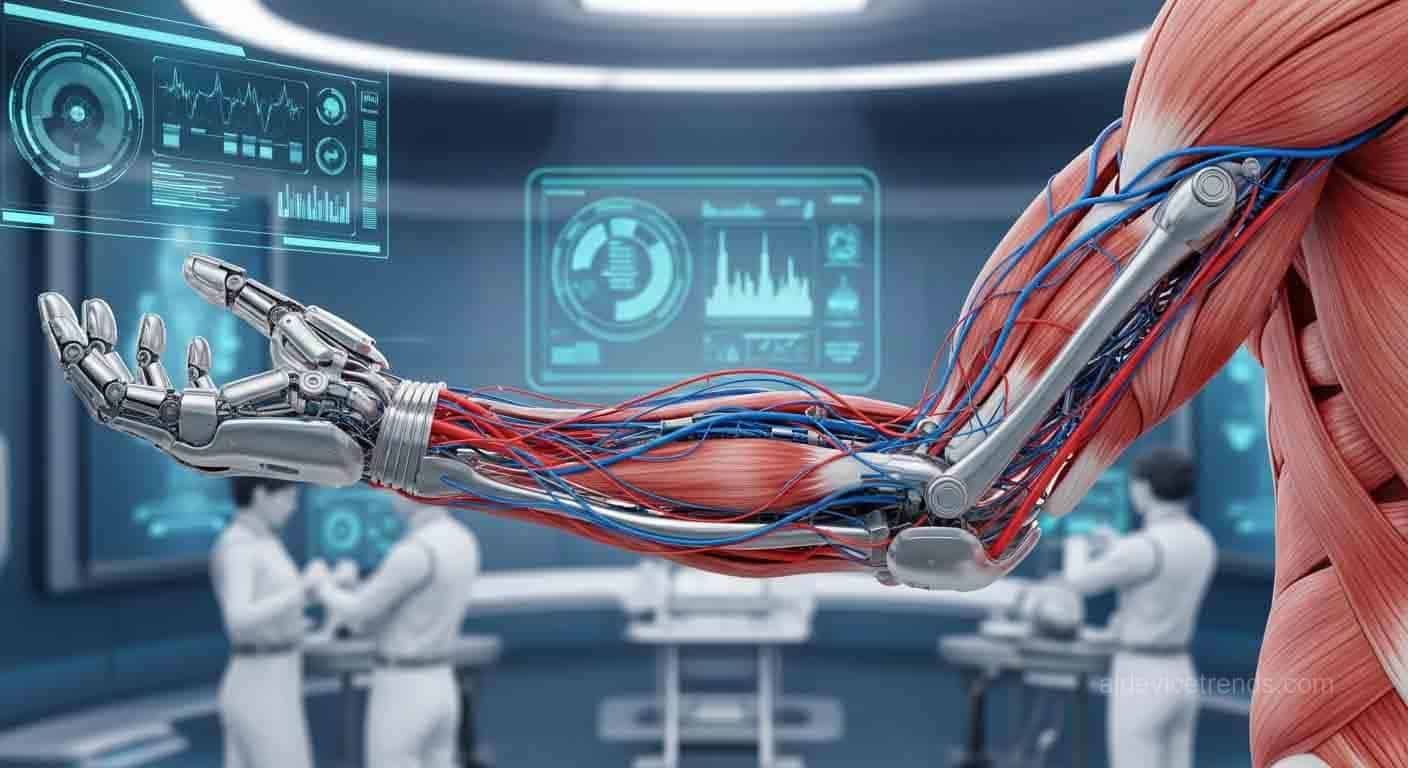
Now, engineers are building a different kind of engine. One made of titanium and powered by algorithms.
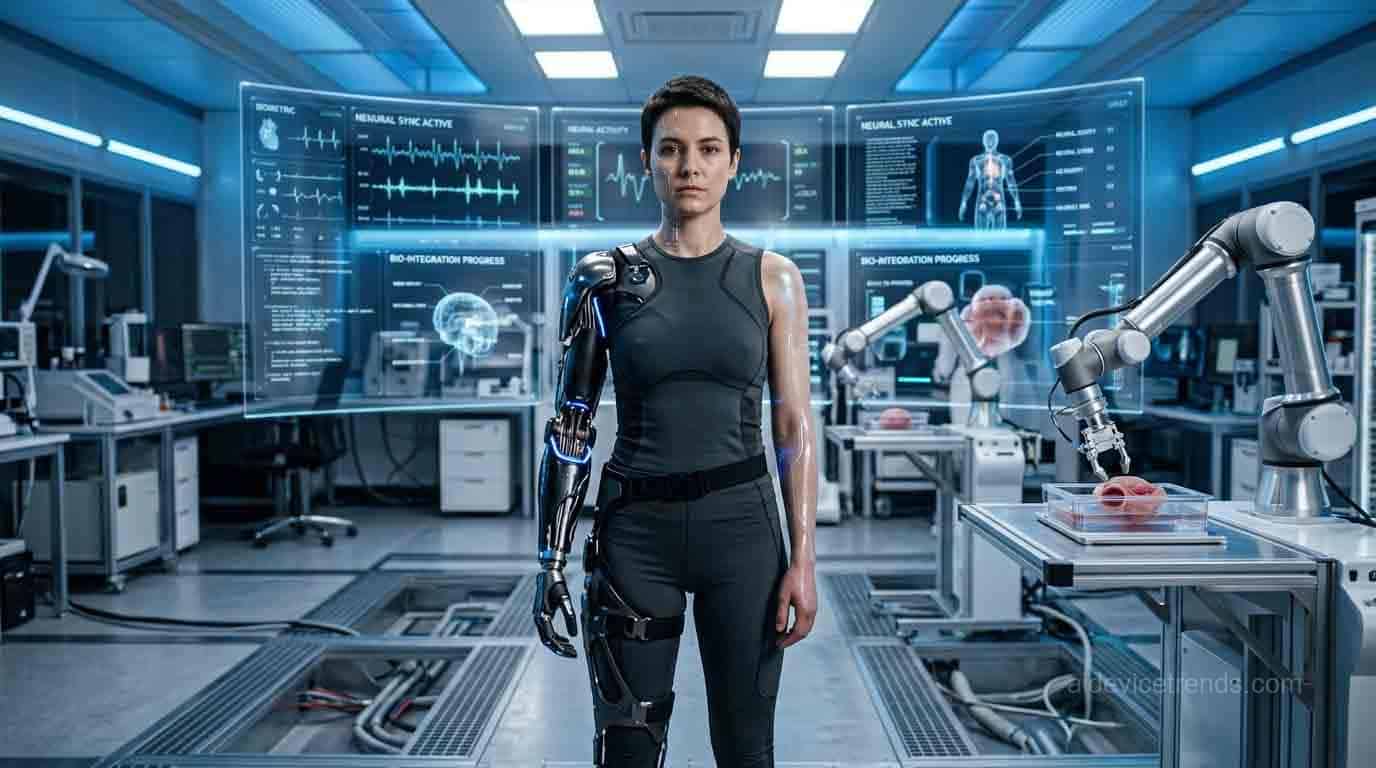
In March 2025, an Australian patient was discharged with a total artificial heart made entirely of titanium. For over three months, his blood was pumped by a single, levitating rotor that adjusted its speed based on his activity. He went home. He lived.
This is a quiet miracle of modern medicine. But it also brings an ancient, unsettling question out of philosophy books and into the ICU: If you replace every part of a thing, is it still the same thing? And what happens when the “thing” is you?
For decades, this “Ship of Theseus” paradox was an abstract puzzle. Today, it is a clinical reality. But to truly answer it, we must first understand a radical truth about our own biology: you are not just a brain. You are an orchestra of three interconnected intelligences.
1. The first brain: The conductor
This is the brain we all know. The organ in our skull. It thinks, it plans, it worries. It is the CEO of the self.
But recent neuroscience has shown that it is not a dictator. It is a conductor, constantly sending and receiving signals from two other neural networks in the body. The brain you think with is only one-third of the story.
We have long believed we are a single mind piloting a flesh-and-blood machine. The truth is stranger: we are a network of three, and our identity is the music they make together.
2. The second brain: The heart’s hidden network
We have always suspected it. We say we “know in our heart,” or feel something “with all our heart.” We thought it was a metaphor.
It is not.
A groundbreaking study from the Karolinska Institutet, published in Nature Communications, has shown that the heart has its own complex nervous system—a “mini-brain”. This little brain is much more diverse and complex than previously thought and plays a key role in controlling the heartbeat independently of the head.
Researcher Konstantinos Ampatzis explains: “This ‘little brain’ has a key role in maintaining and controlling the heartbeat, similar to how the brain regulates rhythmic functions such as locomotion and breathing”.
The heart’s neurons are unique. Unlike the fixed neurons in the brain, the heart’s neurons can express multiple “identities,” allowing them to fine-tune its response to signals from the head. This creates a powerful, dynamic bidirectional connection: our brain changes our heart, and our heart changes our brain.
What does this mean for the Ship of Theseus? If the heart is a thinking organ, what happens to the music when we replace the conductor’s first violinist with a titanium machine?
3. The third brain: The gut’s silent partner
The gut, too, is not a passive tube. It is home to the enteric nervous system (ENS), often called our “second brain”. This vast network contains more neurons than the entire spinal cord. It controls digestion, absorption, and a myriad of other functions, largely without input from your head. It is the only organ that can function completely independently.
But it does not stay silent. The gut and the brain are in constant, furious conversation through a network called the gut-brain axis. The trillions of bacteria in our gut microbiome are a key part of this dialogue, influencing everything from our mood to our cognitive function.
As researcher Gilles Vanwalleghem notes, the ENS is not just a simple relay. It can even sense and remember the gut’s immune state, sending powerful signals back to the brain.
We are learning that the brain is not the lone general issuing commands. It is one of three voices in a constant, silent conversation. To remove any voice is to change the song.
4. The promise and the cost
Back to the BiVACOR heart. This AI-powered titanium pump keeps people alive. It is a triumph. But what does it cost?
A 2025 study on organ transplant recipients found that many reported a general sense of discomfort after receiving a new heart. Some experienced changes in food preferences, music tastes, or a sense of altered identity. The organ was not just a pump; it seemed to carry a kind of memory, a residue of its previous owner.
So what happens when the new organ is not from another human, but a clean, sterile, emotionless machine? What memories does a titanium heart carry? None. And that absence may be its own kind of transformation.
A 2026 bioethics paper exploring the concept of “bodyoids” warned that the broad acceptance of such technologies could lead to dehumanization and the erosion of ethical boundaries. The philosopher is no longer just asking, “Are you still you?” The patient is asking, “Am I still human?”
5. The spectrum of replacement
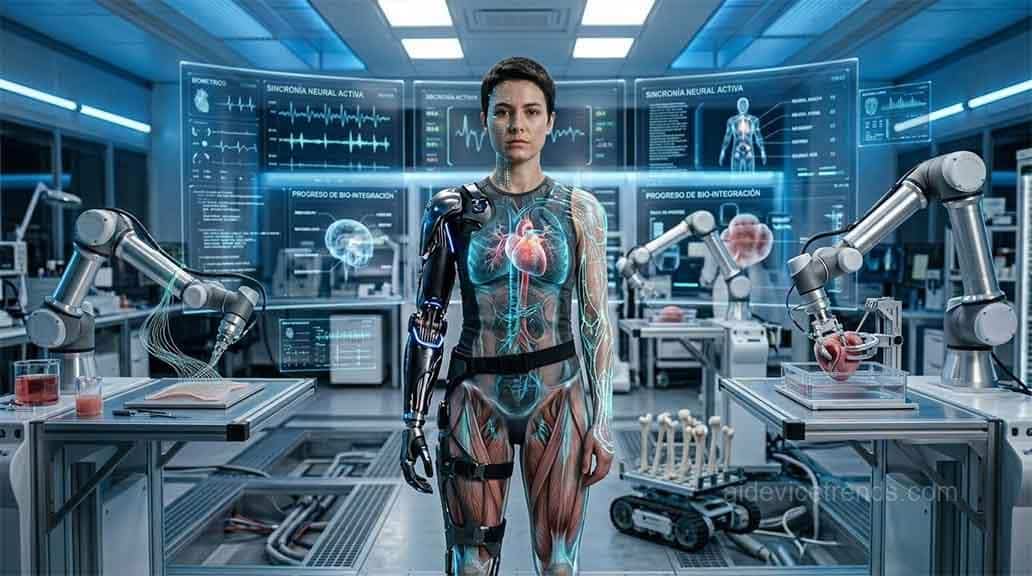
As AI advances, it won’t just stop at the heart. We will be able to replace more and more of these interconnected systems. This will create a spectrum of humanity.
At one end is the patient. The person who receives a single artificial organ to survive. Their identity may shift, but the song of their self continues. At the other end is the automaton. The person who has replaced every part of their three brains with machines. The song becomes a perfect, silent algorithm.
Between these two points lies a vast, gray area. And for each person, the threshold will be different.
This is the ultimate conclusion of the paradox. There is no single answer to “where does ‘you’ end?” It ends wherever you decide it does.
The most human choice
The technology of AI-driven organ replacement is advancing faster than our ability to understand its consequences. We now know that the heart has a “brain,” that the gut is a “second brain,” and that our identity is an emergent property of their collective music. To replace any of these instruments is to change the song.
The science gives us the tools. The philosophy asks the questions. But the answer—the decision of where to draw the line—belongs only to the person in the hospital bed. It is a deeply personal choice, based on their own values, fears, and hopes.
What about you? If you could replace a failing organ with a perfect, artificial one, would you do it? And if you replaced every part, where would you draw the line? I’d love to hear your thoughts in the comments.
Introduction: The ship of theseus, anchored in an ICU
I remember the first time I held a real human heart. It was in a biology lab, years ago. The organ was surprisingly heavy, dense, and quiet. It looked nothing like the valentine-shaped symbol we draw on cards. It looked like a powerful, silent engine.
Now, engineers are building a different kind of engine. One made of titanium and powered by algorithms.
In March 2025, an Australian patient was discharged with a total artificial heart made entirely of titanium. For over three months, his blood was pumped by a single, levitating rotor that adjusted its speed based on his activity. He went home. He lived.
This is a quiet miracle of modern medicine. But it also brings an ancient, unsettling question out of philosophy books and into the ICU: If you replace every part of a thing, is it still the same thing? And what happens when the “thing” is you?
For decades, this “Ship of Theseus” paradox was an abstract puzzle. Today, it is a clinical reality. But to truly answer it, we must first understand a radical truth about our own biology: you are not just a brain. You are an orchestra of three interconnected intelligences.
1. The first brain: The conductor
This is the brain we all know. The organ in our skull. It thinks, it plans, it worries. It is the CEO of the self.
But recent neuroscience has shown that it is not a dictator. It is a conductor, constantly sending and receiving signals from two other neural networks in the body. The brain you think with is only one-third of the story.
We have long believed we are a single mind piloting a flesh-and-blood machine. The truth is stranger: we are a network of three, and our identity is the music they make together.
2. The second brain: The heart’s hidden network
We have always suspected it. We say we “know in our heart,” or feel something “with all our heart.” We thought it was a metaphor.
It is not.
A groundbreaking study from the Karolinska Institutet, published in Nature Communications, has shown that the heart has its own complex nervous system—a “mini-brain”. This little brain is much more diverse and complex than previously thought and plays a key role in controlling the heartbeat independently of the head.
Researcher Konstantinos Ampatzis explains: “This ‘little brain’ has a key role in maintaining and controlling the heartbeat, similar to how the brain regulates rhythmic functions such as locomotion and breathing”.
The heart’s neurons are unique. Unlike the fixed neurons in the brain, the heart’s neurons can express multiple “identities,” allowing them to fine-tune its response to signals from the head. This creates a powerful, dynamic bidirectional connection: our brain changes our heart, and our heart changes our brain.
What does this mean for the Ship of Theseus? If the heart is a thinking organ, what happens to the music when we replace the conductor’s first violinist with a titanium machine?
3. The third brain: The gut’s silent partner
The gut, too, is not a passive tube. It is home to the enteric nervous system (ENS), often called our “second brain”. This vast network contains more neurons than the entire spinal cord. It controls digestion, absorption, and a myriad of other functions, largely without input from your head. It is the only organ that can function completely independently.
But it does not stay silent. The gut and the brain are in constant, furious conversation through a network called the gut-brain axis. The trillions of bacteria in our gut microbiome are a key part of this dialogue, influencing everything from our mood to our cognitive function.
As researcher Gilles Vanwalleghem notes, the ENS is not just a simple relay. It can even sense and remember the gut’s immune state, sending powerful signals back to the brain.
We are learning that the brain is not the lone general issuing commands. It is one of three voices in a constant, silent conversation. To remove any voice is to change the song.
4. The promise and the cost
Back to the BiVACOR heart. This AI-powered titanium pump keeps people alive. It is a triumph. But what does it cost?
A 2025 study on organ transplant recipients found that many reported a general sense of discomfort after receiving a new heart. Some experienced changes in food preferences, music tastes, or a sense of altered identity. The organ was not just a pump; it seemed to carry a kind of memory, a residue of its previous owner.
So what happens when the new organ is not from another human, but a clean, sterile, emotionless machine? What memories does a titanium heart carry? None. And that absence may be its own kind of transformation.
A 2026 bioethics paper exploring the concept of “bodyoids” warned that the broad acceptance of such technologies could lead to dehumanization and the erosion of ethical boundaries. The philosopher is no longer just asking, “Are you still you?” The patient is asking, “Am I still human?”
5. The spectrum of replacement
As AI advances, it won’t just stop at the heart. We will be able to replace more and more of these interconnected systems. This will create a spectrum of humanity.
At one end is the patient. The person who receives a single artificial organ to survive. Their identity may shift, but the song of their self continues. At the other end is the automaton. The person who has replaced every part of their three brains with machines. The song becomes a perfect, silent algorithm.
Between these two points lies a vast, gray area. And for each person, the threshold will be different.
This is the ultimate conclusion of the paradox. There is no single answer to “where does ‘you’ end?” It ends wherever you decide it does.
The most human choice
The technology of AI-driven organ replacement is advancing faster than our ability to understand its consequences. We now know that the heart has a “brain,” that the gut is a “second brain,” and that our identity is an emergent property of their collective music. To replace any of these instruments is to change the song.
The science gives us the tools. The philosophy asks the questions. But the answer—the decision of where to draw the line—belongs only to the person in the hospital bed. It is a deeply personal choice, based on their own values, fears, and hopes.
What about you? If you could replace a failing organ with a perfect, artificial one, would you do it? And if you replaced every part, where would you draw the line? I’d love to hear your thoughts in the comments.
ME + AI = UNLIMITED PROJECTS
weekly popular
you might also like

From layoff to $300k ARR in 12 weeks: The dawn of the AI solopreneur
"Nine months ago, he was laid off. The reason? AI. Today, he runs a company projected to hit $5 million in revenue this year — with just two partners and an army of 12 [...]

FBI probes 12 missing scientists; A 2026 mystery that could redefine reality – Part 2: The time travel theory
"They have been watching us for generations. Their ships are silent. Their bodies are strange. But if Greys are truly time travelers from a dying future, their mission is not conquest — it is [...]

FBI probes 12 missing scientists; a 2026 mystery that could redefine reality – Part 1: The investigation
"The FBI is investigating. Congress is demanding answers. Twenty scientists connected to America's and China's most sensitive nuclear, hypersonic, AI, and space programs have died or vanished. The only theory that fits the facts [...]
The ‘ChatGPT moment’ for robots is here: Why 2026 is the year physical AI gets real
"The AI that could write your emails was only the first act. Now comes the sequel: machines that read pressure gauges, and load factory trucks. Robots are finally learning what the world feels like". [...]